
By Mitchell Tinley
UFC 324 feels like one of those early year cards designed to set the tone. Not just a big main event, but a chain of fights that could reshape several divisions before January is even over.
It has everything: an interim lightweight title fight with genuine bite, a women’s bantamweight title fight that reads like a collision of eras, and enough contenders across the main card to make the matchmakers sweat.
But what makes UFC 324 particularly intriguing is how the match-ups force clarity. These are not gentle, “see what happens” bookings — they’re pressure tests. If you win, you’ve reached the mountain top. If you lose, you’re at the back of the line with everyone else.
Here’s your full card breakdown, with predictions for each bout and the key factors that matter most in each.

Main Event: Justin Gaethje vs Paddy Pimblett (Interim Lightweight Title)
This is veteran violence versus modern momentum.
Gaethje is still the division’s best mix of pressure, leg kicks, and selective chaos. The old version of Gaethje fought like he was trying to set fire to the building. The newer version still brings heat, but he does it with a better sense of when the round is slipping and when it’s his to steal back. That matters over five rounds.
Pimblett is not a traditional technician in the way people mean it, but he is dangerous in the ways that are hardest to coach against. He is comfortable in scrambles, comfortable taking risks, and comfortable turning a slightly lost exchange into a sudden grappling advantage.
And as the ol’ saying goes, “Scousers don’t get knocked out.” He doesn’t need long stretches of control to change a fight. He needs one messy transition where the other bloke makes a normal decision, and it turns out to be the wrong one.
How Gaethje wins: Keep it honest in the centre, punish entries, and make Pimblett pay a tax every time he tries to close distance. The leg kicks and the right hand are not just weapons, they are a narrative. If Gaethje convinces Pimblett that walking forward costs too much, Pimblett will start reaching for clinches and shots from farther out. That is where Gaethje’s timing can punish him.
How Pimblett wins: Make it ugly early but capitalise on the chaos. If Pimblett can get Gaethje to the fence and force clinch battles, he can turn the fight into a grind where Gaethje’s best striking moments come in bursts, not in long stretches. Pimblett does not need to outbox Gaethje. He needs to survive the danger windows and turn the later rounds into grappling chaos.
Prediction: Gaethje by TKO, round 4. Pimblett is live, especially if he can force back takes or extended clinches. But over five rounds, Gaethje’s ability to hurt you while you’re trying to do your own thing is still one of the sport’s most reliable problems.
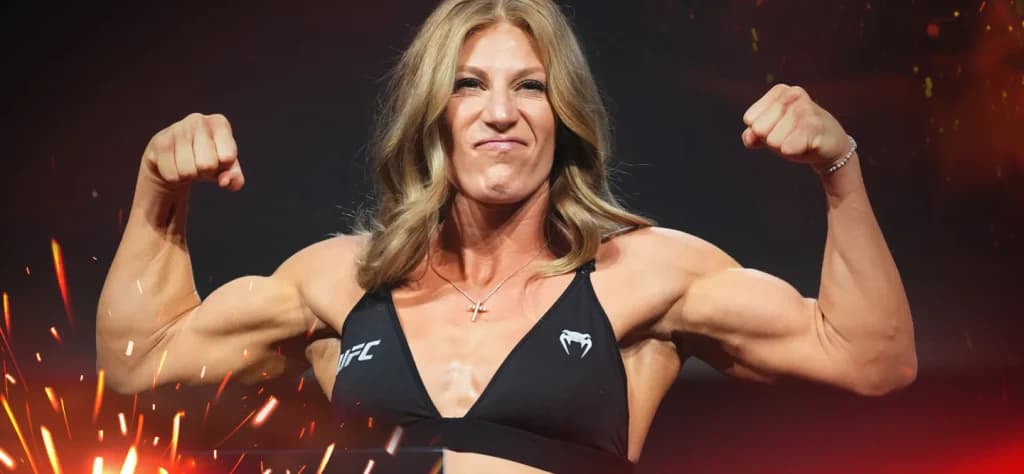
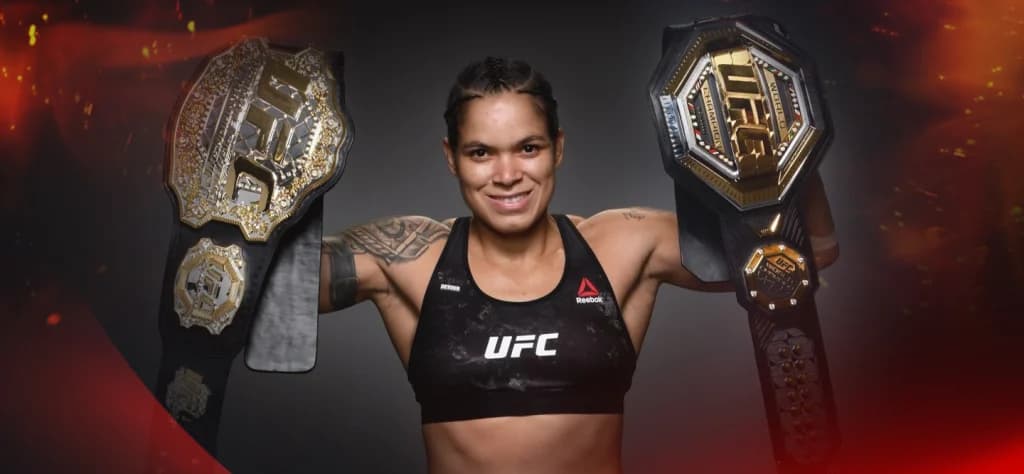
Co-main: Kayla Harrison vs Amanda Nunes (Women’s Bantamweight Title)
The storyline writes itself, but the fight is more interesting than the marketing.
Harrison’s best argument is repeatability. Her pressure, her clinch strength, her top control, and her ability to win minutes with physical dominance are the kind of tools that age well in a division where many fighters still struggle to get up once pinned.
Nunes’ best argument is her brilliance. She’s one of the most complete champions the sport has produced: sharp boxing, heavy kicks, nasty counters, and the experience to recognise what is happening in real-time and adjust without panic.
The question is not whether Nunes can win. The question is whether she can win consistently across five rounds if Harrison keeps turning every exchange into a strength test.
How Harrison wins: Take away space, crowd the boxing, and turn the fight into clinch wrestling. If Harrison gets her hands locked and starts chaining takedowns, she can bank rounds with control and ground strikes. She does not need a finish.
How Nunes wins: Win the first ten minutes, hard. If Nunes can hurt Harrison early or force Harrison into hesitant entries, the takedown chain breaks down. Once Harrison has to shoot from further away, Nunes’ counter timing becomes a real weapon.
Prediction: Harrison by decision. Competitive early, then Harrison’s control starts collecting minutes.
Sean O’Malley vs Song Yadong
This is range management versus pressure punching.
O’Malley’s biggest gift is that he makes opponents fight his fight even when they think they’re choosing violence. He draws you in, slides out, and hits you on the way through.
Song is a strong, compact puncher with timing and a willingness to exchange, but he can get caught trying to force the issue.
Key factor: Can Song cut the cage without overreaching? If he chases, O’Malley eats him alive. If he walks him down with discipline, Song can win rounds.
Prediction: O’Malley by decision. I see clean scoring, not a finish, unless Song gets reckless.
Derrick Lewis vs Waldo Cortes-Acosta
Heavyweight fights are often about who can stay boring the longest.
Cortes-Acosta looks like the kind of heavyweight who wins by doing the sensible thing: manage distance, do not overextend, and keep the fight in a range where the other guy’s power is less usable. Lewis is the opposite. He’s a trap door. You can be winning until you are not.
Prediction: Lewis by KO, round 2. Cortes-Acosta can absolutely outpoint him, but fifteen minutes is a long time to avoid one mistake.
Arnold Allen vs Jean Silva
This is a proper test of whether Silva’s rise is real at the elite level.
Allen is tidy, composed, and hard to hurt clean. He wins minutes with positioning and good decisions. Silva is frantic, aggressive, and dangerous, but he can give away rounds when he overplays the drama.
Prediction: Allen by decision. The veteran’s calm wins out.
Natalia Silva vs Rose Namajunas
A former champion against one of the most interesting movers in the division.
Namajunas is still sharp, still clever, and still capable of landing fight-changing shots.
But she’s also had fights where the pace and physicality of the opponent makes her work too hard just to stay even. Silva’s speed and volume can do exactly that.
Prediction: Natalia Silva by decision. Unless Rose can consistently slow her with clinches and well-timed takedowns.
Umar Nurmagomedov vs Deiveson Figueiredo
This is style versus danger.
Umar’s game is built to win rounds: pressure, takedowns, top position, and suffocation. Figueiredo’s game is built to end fights: power, counters, and opportunistic finishing instincts.
The longer this stays standing, the more it becomes Figueiredo’s kind of chaos.
Prediction: Umar by decision. Control and smart risk management.
Quick Picks to Close the Card
- Ateba Gautier to win by TKO (round 2).
- Nikita Krylov to win by submission (round 3).
- Alex Perez to win by decision.
- Michael Johnson to win by decision.
- Josh Hokit to win by TKO (round 1).
- Cameron Smotherman to win by decision.
UFC 324 Predicted Winners Recap
So who’s going to win at UFC 324? My predictions: Gaethje, Harrison, O’Malley, Lewis, Allen, Natalia Silva, Umar, Gautier, Krylov, Perez, Michael Johnson, Hokit, and Smotherman.
If this card is any indication, then we’re in for a great year in MMA, with lots of potential for division-wide shakeups.
Mitchell Tinley is an MMA veteran with Australian MMA, bringing over 12 years of mixed martial arts training to his in-depth analysis of the sport. Mitchell is the founder, head writer, and host, and has extensive experience in the ring, whether as an announcer, commentator, or interviewer for top MMA promotions in Australia.