
By Kurt Hill
People think of a Formula 1 car as an uncontrollable beast to be tamed, but to a driver it’s more like a torrent of data to manage. Your entire being is focused on optimisation. You’re manipulating the settings and tools at your disposal while striving for a state of perfect, repeatable efficiency. In the middle of all this, a call to yield to your teammate is more than an emotional blow. It’s a command to go against everything you are striving for. To make matters worse it is more often than not benefitting anyone but you.
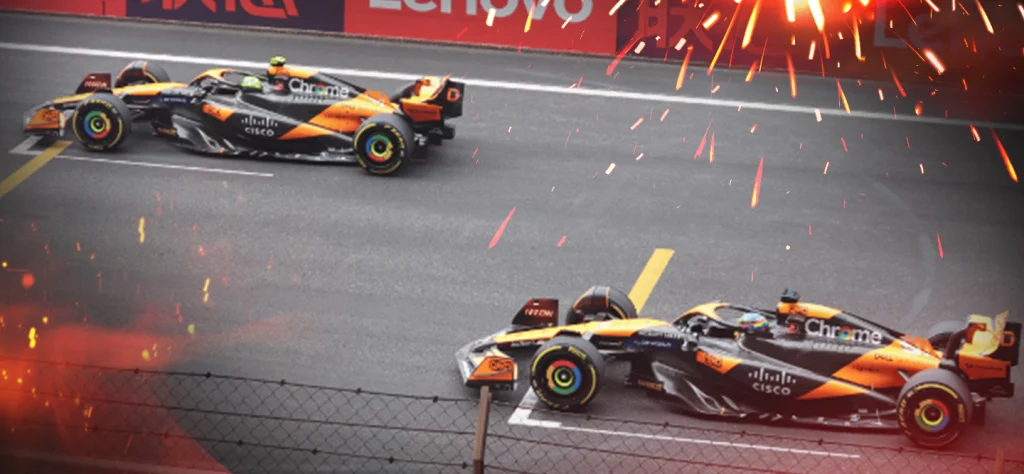
During the Italian Grand Prix, Max Verstappen was in full control, a common position for McLaren of late. This is why many of their strategy choices during the race left quite a few of us puzzled. Why was the pit stop left so long? And why, after a bungled pit stop on Lando Norris’ car, would they ask the championship leader to pull over for his main championship rival?
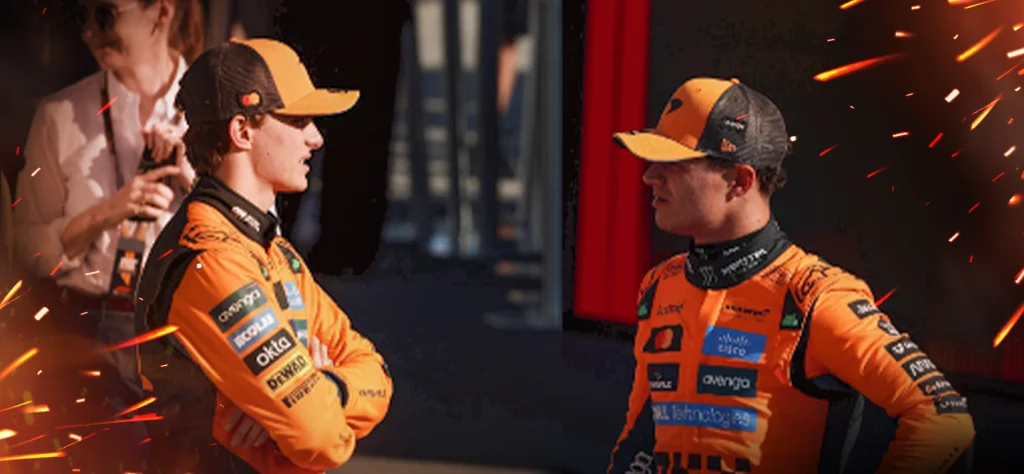
For Oscar Piastri this call would have been his biggest battle of the recent Italian Grand Prix, even when compared to his on-track battles. The emotional tussle of obeying team orders or disregarding them is one that many a champion has faced before, and your decision often defines your relationship with your team. To fans it looked like a ludicrous call, and an even more ludicrous choice to obey by Piastri. However, those of us who have lived through these calls know there’s way more than meets the eye here.
Internal Battles in Formula 1
As a racing driver there are only a handful of radio calls that you absolutely dread getting. The call to move over for your teammate is easily one of the worst. Usually, these calls come in one of the following situations: if a teammate is on a different race strategy and you are holding them up; or if the trailing driver is higher in the championship and needs the extra points earned by finishing ahead of you.
Even when the call makes sense, your stomach sinks. Every instinct, honed over a lifetime of racing, screams in protest. But in those cases, your brain can override the heart (eventually). The situation at Monza, however, offered no logical explanation like this. The order wasn’t about strategy or a bigger championship picture; it was about being asked to clean up a mess someone else had made. Rather than face the issue of an upset Norris after the race, they asked their other driver to clean it up for them.
Inter team championship battles are a melting pot of strategies and emotions that often boil over. We only need to look at Webber vs Vettel and Hamilton vs Rosberg to see how that normally goes. With this in mind McLaren are trying something different and trying to keep things between their drivers from boiling over. In the process, it seems they’ve started to boil over, and rather than the drivers losing faith in each other, they may lose faith in the team.
Trust, Tactics, and Turmoil
This kind of call is more often than not met with a fit of rage from a driver, especially one in a position like Piastri’s. Flicking the radio on to say “No chance” would be the easiest, most emotionally satisfying thing. But in that split second, the initial rage gives way to a colder, more complex calculation. Something Piastri is extremely good at. Your mind starts running through the variables that the outside world doesn’t see, how will this impact the team of over 1,000 that work tirelessly to give you what you’ve always wanted.
First, you think about the team in the here and now. You remember the exhaustive pre-race meetings with every scenario mapped out. Don’t forget the “Papaya Rules,” as McLaren calls them, all agreed upon beforehand. Upholding that agreement, even when it stings, is a mark of integrity and a strong signal to the entire team. Defying an order from them isn’t just a single act of rebellion, but an act that can define your relationship with the team. That single act can foster a fierce loyalty that will pay you back tenfold in the crucial moments to come.
Then, your focus zooms out to the championship battle. By adhering to the order, you’re making a deposit in the bank of team trust. You are demonstrating you’re a driver who puts the team’s operational consistency first, building a subtle but significant psychological debt. Now, should a situation arise where you need the team to back your call against your teammate, all those moments will be remembered. It’s a calculated risk. Sacrificing a few points today to solidify trust and clarity prevents far more damaging internal conflicts down the line.
More Questions Than Answers
McLaren’s Monza management was a fascinating case study into team dynamics. The traditional approach to managing drivers is usually a reactionary one. McLaren are trying something different and to that I give them credit. They are attempting to stay on the front foot and mitigate any potentially unruly situations before they get out of hand.
On the other hand are you also setting a precedent of what happens each time the team makes a mistake? Is it really reasonable to ask drivers to make up for a teams mistake each time it happens? If they think it is, they they will absolutely be in for a rude shock, and a big reaction from their driver when this happens again.
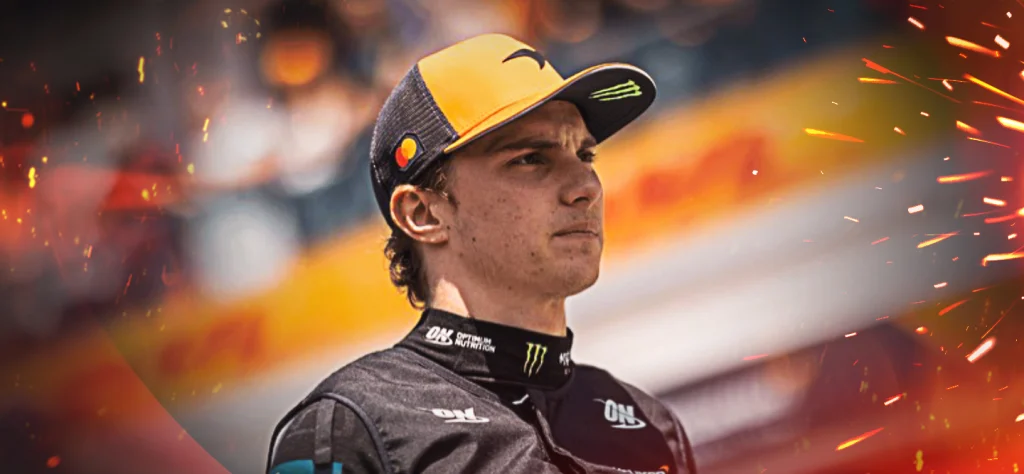
Then also from Oscar’s side there are also a few potential storylines. Is he a driver that is playing it too safe, rather than taking his chance to assert his dominance? Do the team now look at him as a driver that will always follow their orders no matter what? Or is he playing it extremely smart and building up his bank of trust to cash it in across the rest of the season?
So is he playing it too safe, or is he playing it smart? The fans and pundits can debate, but from inside the cockpit, the answer is clear. He continues to chose the long game. In a championship fight, you don’t win by fighting every single battle. You win by knowing which concessions will help you win the war.
Kurt Hill is a professional racing driver from Sydney, with years of experience competing on national and international circuits. His performance in Asian Formula Renault has established him as one of Asia’s top drivers. Kurt’s bringing his experience, insight, and passion for racing to Ignition to give you an unfiltered, real driver’s take on the world of F1 and motorsports.