
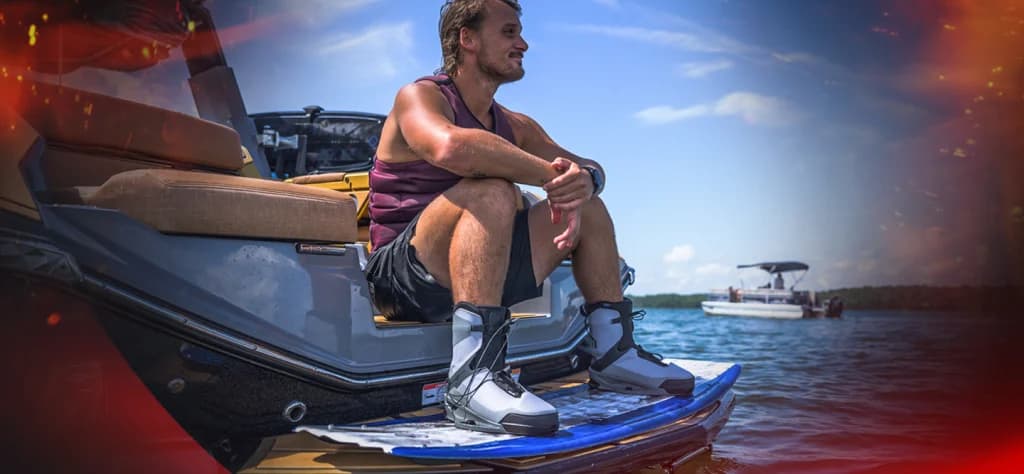
When it comes to extreme sports, people see the trophies, the podiums, the championship announcements and the highlight reels — all the excitement, energy and glamour of a professional athlete’s life. What they rarely see is the pain, the struggle, and the battles behind the scenes of extreme sports.
They don’t see the hours of rehabilitation, the sleepless nights worrying about injuries, or the mental battles that come when your body is not cooperating. Being an elite athlete is not just about physical performance. It’s about resilience, discipline, and the willingness to keep moving forward when your own body is working against you.
Over fifteen years of competing at the highest level of pro wakeboarding, I’ve learned that every title, every victory, and every comeback has a story of pain behind it.
The Nature of Wakeboarding Injuries
Wakeboarding is an extreme sport. High-speed landings, explosive tricks, and the unpredictable nature of water make it unforgiving on the body. The joints and muscles are constantly under pressure. Micro injuries are part of everyday life. The mental toughness required to push through pain while staying smart is immense.
Early in my career, I learned that you don’t win championships by avoiding pain. You win by learning how to manage it, work through it, and keep progressing even when your body tells you to stop.
The injuries in wakeboarding are constant, sometimes subtle, sometimes catastrophic. Ankles, knees, shoulders, wrists, and the spine take the brunt of the impact. High-velocity landings from tricks place enormous stress on joints and soft tissue. Over time, these impacts accumulate. Every session adds tension to muscles and ligaments that have already been tested thousands of times before. As an athlete, you get used to discomfort. You learn to separate pain from danger. You learn to listen to your body while ignoring its complaints enough to keep competing.
Some injuries are so normal that you barely acknowledge them. Others are career-defining. Some leave you questioning whether you can keep going. For me, the major injuries became chapters in my story, each one teaching me something new about my limits, my resilience, and the support I need to succeed.
Shoulder Reconstruction
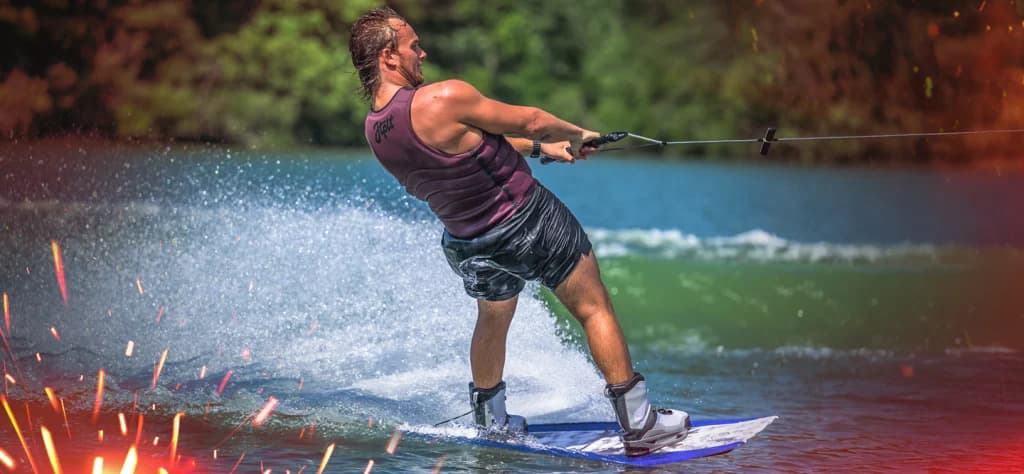
One of the first major injuries I faced was my shoulder. I blew out my labrum and began dislocating my shoulder every week or two. Most people would have stepped away from competition. I did not. I had to undergo shoulder reconstruction surgery, followed by months of intensive rehabilitation. Every day required patience and focus. Returning to the tour meant managing pain, rebuilding strength and regaining confidence in my shoulder.
Competing with a shoulder that had been surgically reconstructed is not simple. Every trick carries risk. Every landing is calculated. Yet, through determination and proper support, I kept competing and went on to win championships despite the setbacks.
Annular Tear at L5-S1
A few years later, my lower back became a significant challenge. I was diagnosed with an annular tear at L5-S1. An annular tear is a tear in the outer layer of the spinal disc located between the L5 and S1 vertebrae. It causes chronic lower back pain, nerve irritation, and restricted mobility. Sitting, standing, lifting or bending becomes painful, making training incredibly difficult.
For most people, this would be career-ending. For me, it became a test of mental and physical resilience. I worked closely with physiotherapists and specialists to manage the pain, modify my training, and rebuild strength around the injured disc.
Even when my back limited my mobility and flexibility, I continued to perform at the highest level. It became a lesson in persistence and patience, proving that mindset is as important as physical ability.
Ankle Injury
Then came the ankle injury. At the Hyperlite team shoot, I snapped my ankle. It was a serious break that should have stopped me for the year. Surgery and rehabilitation were required, but I chose to keep competing. Every competition required careful consideration of every move. Every landing tested my strength and confidence. Despite the injury, I finished the season and won the tour championship. That moment reinforced the lesson that resilience is built not just in the water, but in the recovery room, the gym, and the countless hours of mental preparation.
Recurring Soft Tissue Injuries
Throughout my career, I have faced recurring soft tissue injuries—wrists, hamstrings, shoulders, and other strain from repetitive high-impact movement.
Every injury required careful balancing between training, rehabilitation, and competing. Pushing too hard risks worsening the injury. Pulling back too far risks falling behind.
Managing that balance is part of being a professional athlete, especially in extreme sports. Every tweak, every ache, every setback became part of the story that shaped my career and my understanding of my own body.
Training Through Pain
Competing with injuries is not just a physical challenge. It requires adjusting training, limiting certain movements, and sometimes learning how to perform at seventy to eighty percent capacity while still delivering results.
Recovery routines became essential. Ice baths, sauna sessions, mobility exercises, nutrition, and structured rehabilitation all became part of my daily life.
Pain is frustrating, emotionally exhausting, and sometimes isolating. Learning to accept it, manage it, and use it as motivation was a skill I developed over many years. Every session required focus, discipline, and mental fortitude.
The Psychological Battle
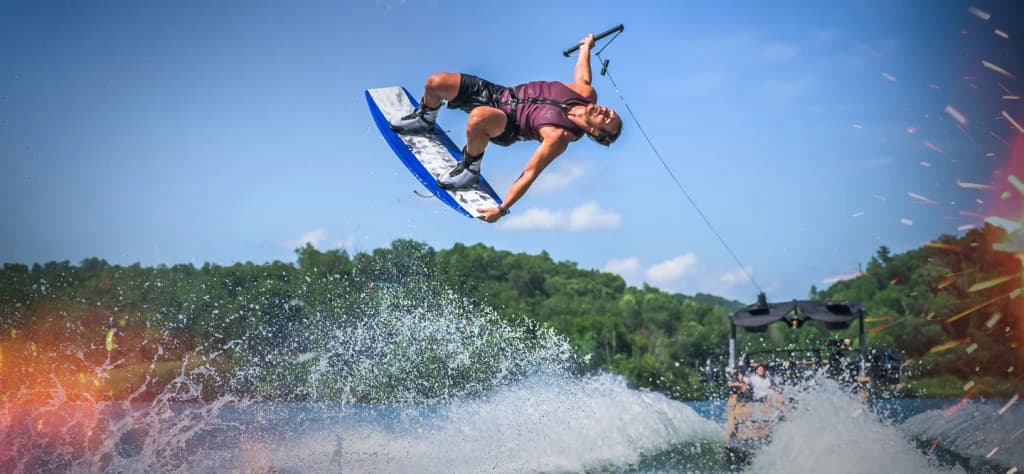
The mental challenge of injuries is just as significant as the physical. There is always fear of re-injury. Every trick carries risk. Pressure comes from sponsors, rankings, and internal expectations. There are moments of doubt, frustration, and guilt—especially when you feel like you are letting people down or not performing at your best.
Mindset tools like reviewing footage, breathing techniques, and mental preparation became as important as physical training. Learning to trust my body again after setbacks was critical. These battles shaped my mental strength and resilience as much as any title.
Support Team
No athlete faces injuries alone. My support team has been essential in every comeback and victory.
Coaches and Mentors
I was introduced to Nam Baldwin at seventeen years old, a high-performance trainer who has worked with world champions and Olympic athletes such as Mick Fanning, Jess Fox, and Alex Pullin. Nam taught me mental preparation, breathing, performance habits, and recovery strategies.
Working with him changed the way I approached training, competition, and recovery. Alongside Nam, other coaches and mentors in the wakeboarding community pushed me, challenged me, and helped me refine my skills. Their guidance was crucial in ensuring that I could perform safely and consistently even while injured.
Medical Team
Physiotherapists, surgeons, trainers, and specialists were indispensable. They managed my shoulder reconstruction, ankle breaks, and annular tear. They rebuilt my strength, monitored progress, and allowed me to compete safely. Without their expertise, my career would have ended long before it did. Their work behind the scenes is as vital to a championship as the effort on the water.
Family and Friends
Family and friends were my emotional anchor. Their support during surgeries, rehab, and low points kept me grounded. They provided motivation, perspective, and encouragement when I doubted myself. Simple messages, visits, or even just knowing they were there helped me push through the hardest periods of my career.
Lessons Learned From Injury
Injuries taught me patience and strategy. I learned to focus on longevity rather than chasing the next trick, and to ride smarter, not just harder. I discovered that mental strength can overcome physical limitations.
Pain became motivation, resilience became a skill, and recovery became an essential part of progress. Every injury forced me to grow, adapt, and become more technical in my riding. These lessons shaped me as an athlete and as a person.
Why I Still Choose the Sport
Despite the injuries, despite the pain, wakeboarding remains my passion. Injuries are part of the journey, not a reason to quit. The love of the water, the thrill of progression, and the lifestyle outweigh the physical toll. Each comeback adds depth to the victories. Every title won after injury feels more meaningful because of the struggle behind it. Pain is not a barrier. It is part of the story that makes every championship worthwhile.
Behind every title there is a story of resilience, patience, and determination. Injuries do not define an athlete. The response to them does. Every scar, every rehabilitation session, every fear and every moment of doubt are proof of the journey. Winning a championship is not just a reward for talent and training.
It’s a reward for perseverance through pain, for trusting your support team, and for refusing to quit even when the odds feel stacked against you. The untold injuries behind every title are as much a part of the story as the victories themselves.
Cory Teunissen is a five-time world champion wakeboarder who first made a splash at age 15 when he became the youngest person ever to land a Switch Toeside Wake to Wake 1080. Since going pro in 2015, Cory’s made a name for himself as an elite athlete always pushing the boundaries of what’s possible in the sport.