
By Josh de Beer
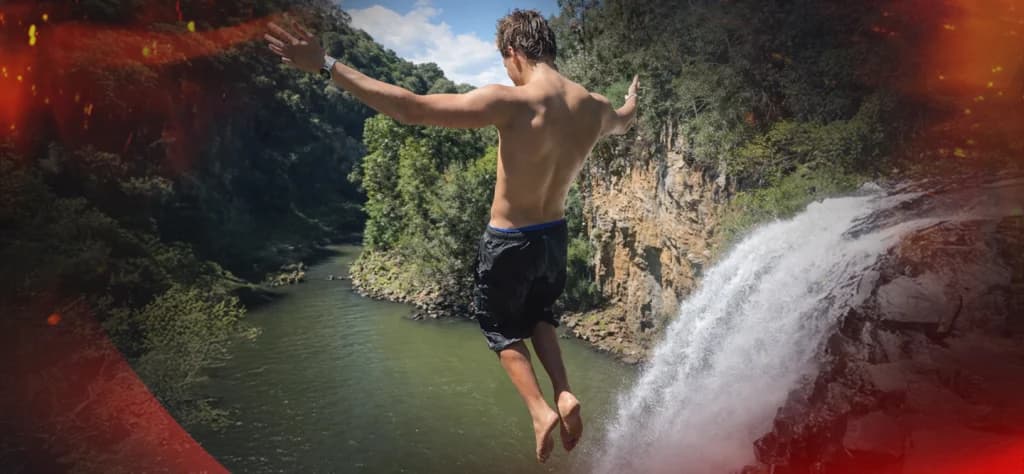
Unlike other extreme sports, cliff diving is one of those things people think they understand just by watching it. They see the jumps, the tricks, the slow motion clips online, and assume it’s all adrenaline, confidence, and a lack of fear. From the outside, it looks reckless, almost casual.
But what most people never see is everything that happens before you ever step off the edge: the preparation, the discipline, the mental work, and the rebuilding that happens over and over again.
Cliff jumping is not just something I do for fun. It is something that constantly pushes me, breaks me down, and forces me to level up in every part of my life. Here’s how I train and prepare before going over the edge.
How I Fell Into Cliff Jumping
I ‘fell’ into cliff jumping about two years ago. One of my best mates mentioned he was going camping with a group of guys who spent their weekends jumping cliffs. I didn’t know much about it at the time, but I decided to tag along.
I barely even knew the sport existed in the way they were doing it. That weekend completely changed my perspective. Watching them throw huge tricks off some of the biggest cliffs I had ever seen lit something up in me. It wasn’t just impressive, it felt familiar in a way I can’t explain.
I knew straight away that I wanted to be part of it. My first jumps were nothing crazy. Small heights, basic entries, learning how water actually feels when you hit it from above.
But even those early jumps demanded respect. I realised quickly that this was not about sending it blindly, it was about learning, patience, and slowly building confidence. Every session after that weekend pulled me deeper into the sport. What started as curiosity turned into obsession, and then into something serious.
Training the Body For Extreme Sports
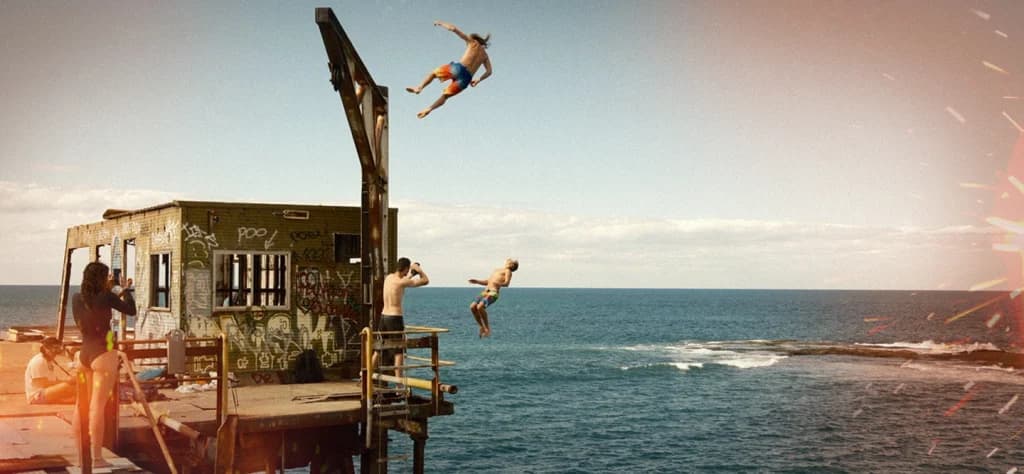
Physically, cliff jumping is far more demanding than people expect. It’s not just about jumping off something high. You need strength, control, endurance, and resilience.
I train five days a week in the gym, and every session has a purpose. Strength training builds the foundation. Strong legs absorb impact. A strong core keeps your body tight in the air. Upper body strength matters too, especially when swimming after big impacts or climbing out of rough terrain. Explosive power is another huge focus, as cliff jumping relies on clean take-offs and precise movement in the air. That power comes from training.
Durability might be the most important factor, though. When you jump from 30 metres or more, water is not soft. It hits hard. Even a clean entry sends shock through your body. After that impact, you still have to swim, tread water, and get yourself out safely. If your body is not conditioned for repeated stress, injuries are only a matter of time.
Like with most sports, recovery is just as important as training. Stretching, mobility work, and listening to my body keep me jumping consistently. Ignoring pain or fatigue is not toughness in this sport – it’s stupidity.
Training the Mind For Extreme Sports
Mental preparation is where cliff jumping really separates people. Fear is always there — anyone who says otherwise is lying! I feel fear and nerves before every jump, no matter how many times I’ve jumped a spot or how much experience I know I have.
The difference is how I handle it. I don’t try to eliminate fear. I learn to sit with it and try to get comfortable being uncomfortable.
I expose myself to that feeling regularly so it doesn’t control me. Breathing, focus, and routine keep my mind steady. I also drill my tricks endlessly in controlled environments, so diving boards, trampolines, and dry land training all play a role.
This means that when it’s time to jump, there’s no guessing. My body already knows what to do. The preparation removes hesitation, which is one of the most dangerous things you can bring to a cliff edge.
The Ritual Before the Jump
When it comes time to actually jump, everything becomes ritual. The first thing I always do is check the water depth. Even if I have jumped the spot before, I never assume it is the same. Water levels change. Rocks move. Logs drift in. What was safe last time might not be safe today. Respecting that reality keeps you alive.
Once the water is clear, I start building the jump in my head. I visualise every part of it, from the take-off to the entry. I play it like a movie, over and over, until it feels automatic. I throw rocks off the edge and time how long they take to hit the water. That timing tells me exactly what the jump will feel like. It grounds me in reality and removes surprises.
By the time I step to the edge, I’ve already made the jump dozens of times in my head. All that’s left is execution.
Sacrifice and Risk
As much as I love it, cliff jumping comes with real sacrifices. The biggest one is accepting the risk. One bad landing from any height can seriously injure you — or worse. Every jumper knows that, whether they admit it or not. Carrying that knowledge is part of extreme sports like cliff jumping. You can’t ignore it, but you also can’t let it paralyse you.
There are other sacrifices too. Progression often means travel. Chasing cliffs and bridges across Australia and overseas costs money. Fuel, flights, accommodation, gear, and time all add up quickly. Social plans get skipped. Weekends are spent training or recovering. Passion doesn’t care about convenience, and if you want to progress, you have to accept that part of it too.
What Cliff Jumping Really Is
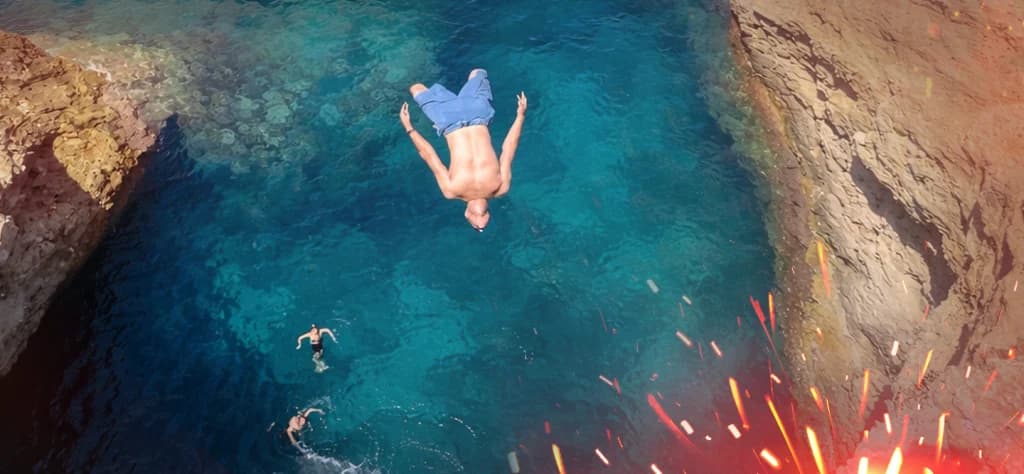
People often think cliff jumping is about being fearless. It’s not. It’s about preparation, discipline, and respect. The fear never goes away, but preparation is what keeps it under control.
Every jump I send is earned long before my feet ever leave the edge. Through training, repetition, and commitment, I give myself the best chance to come back up smiling.
Cliff jumping has taught me more than just how to fall from height. It has taught me patience, self-awareness, and accountability. Every decision matters. Every shortcut has consequences. That mindset carries into everything else I do. In the end, cliff jumping is not about cheating fear. It is about meeting it head on, prepared, focused, and ready.
Josh de Beer is a professional cliff diver and extreme sports athlete who’s quickly made a name for himself as one of the up-and-coming talents to watch in the sport. His years in competitive gymnastics give him a unique background and set of skills that inform every jump and dive he makes.